Exploring the Significance of Al Sharafi Building in Dubai
Intro
In the ever-evolving landscape of Dubai’s real estate, the Al Sharafi Building stands tall as a testament to architectural brilliance and investment potential. It is not merely a structure; it represents a confluence of history, design, and economic promise. Located in a bustling district, this building plays a pivotal role in shaping the commercial dynamics of Dubai, offering both residents and businesses a vibrant environment.
Market Insights
Current Trends in Dubai Real Estate
Dubai’s property market has seen substantial fluctuations over recent years. The demand for commercial spaces continues to rise, fueled by a burgeoning economy and a diverse expatriate community. Investors, from seasoned veterans to first-timers, are keen to assess the underlying trends that affect property values, occupancy rates, and rental yields. For instance, areas close to the Al Sharafi Building have witnessed a surge in interest, reflecting a broader trend of urban migration towards economically viable neighborhoods.
Key Trends:
- Increased demand for mixed-use developments.
- Focus on sustainability and smart buildings.
- Rising interest in properties that facilitate work-life balance.
The Al Sharafi Building aligns well with these trends, encapsulating the modern ethos of living and working within the same precinct.
Economic Factors Impacting Property Values
Broader economic indicators serve as harbingers for property market trends. Factors such as global oil prices, tourism influx, and foreign investments significantly sway property values in Dubai. The emergence of Expo 2020 has acted as a catalyst, drawing attention to various real estate projects, including the Al Sharafi Building.
Important Economic Factors:
- Oil price stability, influencing investments.
- Increased tourism, boosting demand for commercial spaces.
- Government incentives for foreign investors, enhancing market attractiveness.
The Al Sharafi Building benefits from these economic currents, providing a solid foundation for both local and foreign investments.
Investment Guides
Tips for First-Time Buyers
Navigating the real estate market can be daunting for newcomers. However, by understanding the nuances of the market, first-time buyers can make informed decisions. One is encouraged to conduct thorough research on areas, surrounding amenities, and potential returns on investment before making a purchase.
Practical Tips:
- Understand your budget: Go beyond the price tag to include additional costs.
- Research the area: Look into future developments in the vicinity.
- Consult local experts: Agents or consultants familiar with the local market dynamics can provide invaluable insights.
Portfolio Diversification Strategies
For seasoned investors looking to build a strong portfolio, diversification is key. The Al Sharafi Building offers a unique opportunity to include commercial real estate in your investment strategy.
Diversification Strategies:
- Consider mixed-use properties for balanced risk and return.
- Explore opportunities in less saturated markets while watching trends in Dubai's central areas.
- Invest in properties that can cater both residential and commercial needs.
To succeed in the Dubai property market, one must remain agile and informed. The Al Sharafi Building exemplifies both an attractive investment and a glimpse into the future direction of Dubai's real estate.
By exploring the Al Sharafi Building’s characteristics and its role in Dubai's real estate landscape, investors can recognize the wider implications of their decisions, ensuring that they are not just participating in a market but also contributing to its evolution.
For more insights, visit Wikipedia on Dubai Real Estate or discuss on Reddit’s Dubai community.
As Dubai continues to emerge as a top global city, understanding the housing market is essential—whether for living, working, or investing.
Preface to Al Sharafi Building
The Al Sharafi Building stands as a beacon of Dubai's rapid evolution in real estate. This structure is not just a piece of architecture; it encompasses a blend of history, design, and economic vitality. Understanding its essence is essential for several stakeholders, such as investors, developers, and potential residents.
When one thinks about the Dubai skyline, the Al Sharafi Building often comes to mind as a critical player in the commercial sector. Its strategically important position and modern facilities turn it into a compelling choice for businesses and organizations looking to establish their footprint in a burgeoning market. Given the competitive real estate scene in Dubai, this building is a prime example of how thoughtful design and strategic planning can come together to meet the needs of a dynamic economy.
This introduction aims to delve deeper into what makes the Al Sharafi Building noteworthy. We will touch on its historical context, the architectural marvel it presents, and its strategic location within the city. By doing so, we pave the way to explore further how this landmark influences Dubai's real estate market, impacting not just commerce but also community living.
Key Considerations
- Impact on local economy: The building creates jobs, drives commercial activities, and contributes significantly to the overall economic landscape.
- Architectural Influence: Al Sharafi's design elements echo the ambitions of modern Dubai while respecting its heritage, offering a unique proposition for both tenants and visitors.
- Strategic Location: Nestled in proximity to key amenities and transport links, it offers added convenience for businesses and residents alike.
The Al Sharafi Building is emblematic of Dubai's vision—blending culture with unrelenting progress.
By laying this groundwork in the introduction, we set the stage for a comprehensive exploration of the building's history, design, and its critical role in contemporary Dubai.
Historical Background
Understanding the historical background of the Al Sharafi Building offers crucial context surrounding its significance in Dubai's evolving real estate landscape. This section serves as a foundation for appreciating how the building fits into the larger narrative of the city’s development. Particularly, comprehending its initial development phase alongside key milestones can shed light on the motivations behind its construction and the subsequent transformations it has undergone.
Initial Development
The Al Sharafi Building traces its roots back to the early days of Dubai's commercial rise. Its establishment was more than just a construction project; it marked a moment in time when architects and investors alike began to recognize the city’s potential as a global business hub. The initial development phase, which commenced in the early 2000s, was crucial as it coincided with the UAE's strategic economic reforms aimed at diversifying its economy beyond oil.
Investors were drawn to this promising opportunity, contributing to the vision of a skyline punctuated with architectural marvels. Al Sharafi itself was designed not only to reflect modernity but also to pay homage to the cultural heritage of the UAE. The development sought to combine cutting-edge design with practicality, catering to a diverse clientele from multinational corporations to small businesses looking for a foothold in this vibrant market.
Key Milestones
As the Al Sharafi Building took shape, several key milestones punctuated its journey, shaping its identity over the years. One significant development was the completion of the structure in 2005, a date that coincided with a broader boom in Dubai's real estate sector. The building rapidly became a symbol of this wave of growth, attracting a variety of tenants ranging from high-end office spaces to retail opportunities.
Another milestone came in 2010, with the introduction of advanced safety and sustainability features. These enhancements underscored the building's commitment to evolving not just with the market but also with the global standards. By integrating eco-friendly technologies, Al Sharafi aligned itself with the increasing demand for sustainable development.
"The evolution of Al Sharafi serves as a microcosm of Dubai’s journey—reflecting both the challenges and triumphs faced by the city as it emerged on the world stage."
Finally, in 2018, Al Sharafi underwent a significant renovation that modernized its amenities, further appealing to a contemporary workforce that prioritizes functionality and aesthetics. These milestones not only solidified the building's status but also highlighted Dubai’s capacity for reinvention in an ever-shifting landscape.
Exploring this historical backdrop truly enriches our understanding of the Al Sharafi Building, reinforcing its role as a cornerstone in Dubai's urban narrative. The insights drawn from this analysis provide a solid springboard into the architectural and economic aspects that will be examined in the sections to come.
Architectural Significance
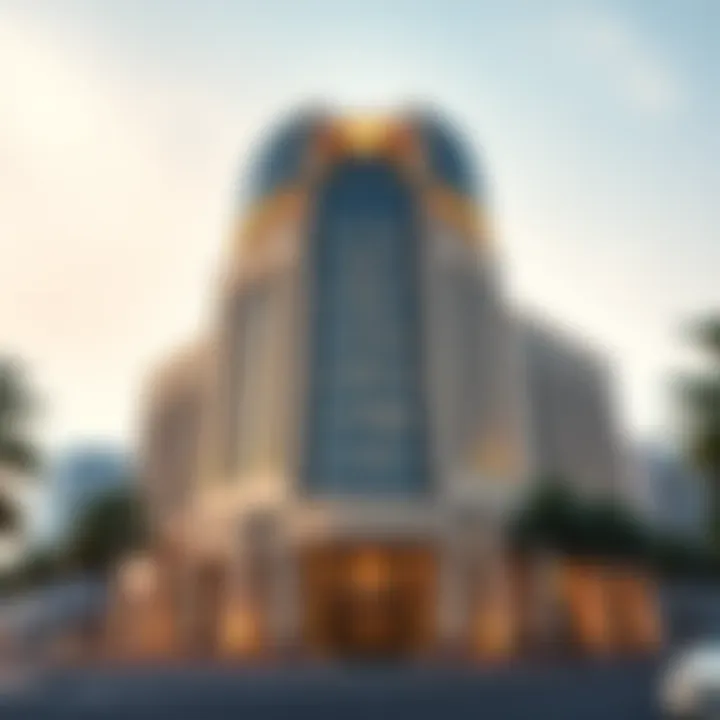
The architectural significance of the Al Sharafi Building transcends mere aesthetics; it serves as a beacon in the skyline of Dubai, capturing the essence of modern architectural innovation interwoven with the city's rich heritage. In a landscape often characterized by audacious designs and towering edifices, the Al Sharafi Building has carved its niche through a unique blend of functional design and cultural resonance.
One of its standout features is the use of traditional motifs intertwined with contemporary styles. By incorporating these elements, the building not only contributes to the aesthetic appeal but also pays homage to Dubai’s past while looking toward the future. The careful selection of materials showcases a commitment to quality, with glass and steel harmonizing beautifully, reflecting the vibrancy of the surrounding environment.
- Symbol of Progress: The design of Al Sharafi Building symbolizes the rapid development of Dubai’s real estate sector. It mirrors the ambition of the city, representing how far Dubai has come in terms of architectural advancements.
- Community Integration: This structure is not just a building; it’s a space for people. The layout encourages interaction among tenants and the public, creating a bustling social hub that reflects the cosmopolitan nature of Dubai.
Overall, the architectural design goes beyond visual appeal, making it functional and deeply resonant with those who use and inhabit it.
Design Components
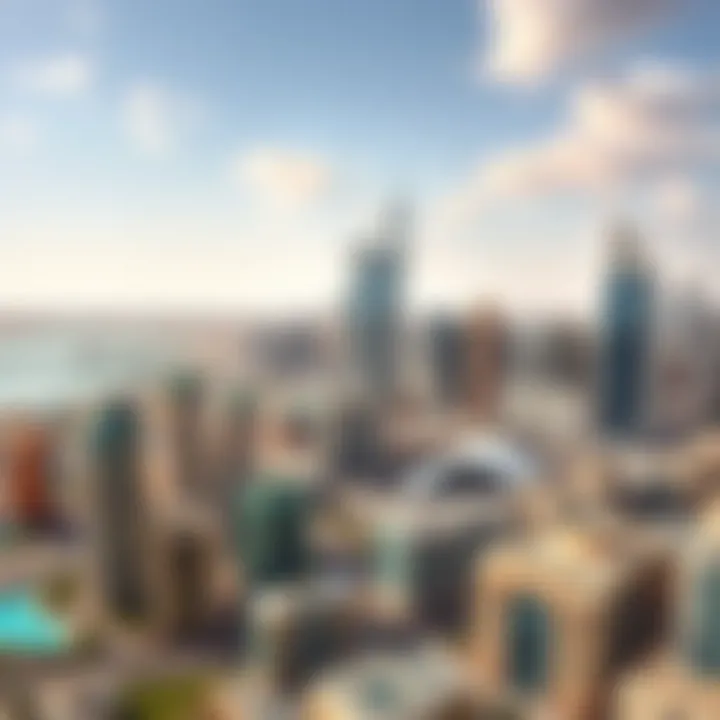
The design components of Al Sharafi Building are meticulously curated to enhance both visual and functional aspects. From the curvilinear façade to the distinctive rooftop gardens, each detail has been crafted with a specific aim.
Aesthetic Appeal
- The curved outlines of the structure break the monotony often seen in other high-rise buildings, creating a silhouette that is both striking and inviting.
- Architectural features like balconies and outdoor spaces enable visitors to enjoy the views, promoting a community feel.
Functional Aspects
- Inside, the design includes open floor plans that provide a flexible layout suitable for various business needs.
- Lighting solutions integrate both natural light and energy-efficient technologies, reducing the building’s carbon footprint.
To put it simply, the design components work together harmoniously to enhance user experience while aligning with sustainability goals.
Sustainability Features
In today's age, sustainability is at the forefront of architectural significance, and the Al Sharafi Building showcases a commitment to green initiatives. It integrates several sustainability features that contribute to a more eco-friendly urban environment.
Energy Efficiency
- The building is equipped with solar panels, making it partially autonomous in terms of energy use. This not only lowers operational costs but aligns with Dubai’s vision for renewable energy.
- Smart building technologies monitor energy consumption, ensuring that the resources are used judiciously.
Water Conservation
- Rainwater harvesting systems capture and reuse water, reducing the demand on municipal services.
- Low-flow fixtures in plumbing systems further minimize water waste, showcasing the building's dedication to environmental sustainability.
“Sustainability is not just a choice; it’s a responsibility we all share.”
Location Analysis
The location of the Al Sharafi Building holds considerable significance in the bustling landscape of Dubai's real estate ecosystem. A structure’s location is often more than just a coordinates game; it dictates accessibility, opportunity, and the overall value proposition for potential investors and tenants alike. Enhancing its allure, the Al Sharafi Building stands prominently nestled amongst vibrant neighborhoods, biotech firms, and an array of commercial avenues.
Proximity to Key Amenities
The importance of being close to key amenities cannot be overstated. Tenants in the Al Sharafi Building benefit from immediate access to a myriad of essential services which include:
- Shopping Centers: Just a stone’s throw away, you’ll find both upscale boutiques and everyday shopping needs. The Mall of the Emirates acts as a draw for residents and visitors, making it a hub of activity.
- Dining Options: A diversified array of dining experiences is available nearby, ranging from fast-casual to high-end eateries. This variety elevates the workplace experience at the Al Sharafi Building, enabling employees to take leisurely breaks or entertain clients conveniently.
- Healthcare Facilities: Proximity to leading hospitals and clinics, like the Dubai Healthcare City, reflects a focus on health and wellbeing, ensuring tenants can meet their medical needs swiftly.
In short, these amenities contribute significantly to tenant satisfaction and retention, which in turn enhances the property’s appeal for investors. The access to comforts and services is not just a matter of convenience; it plays a central role in the decision-making process of both renters and buyers.
Transport Links
Effective transport links are another corner-stone of the Al Sharafi Building’s strategic positioning. Being ideally located means that commuting becomes a breeze for everyone involved. Key transport options to take note of include:
- Metro Stations: The Al Sharafi Building is a few minutes away from several metro stations, allowing easy connectivity across Dubai. It’s almost akin to having a personalized transit system right at the doorstep.
- Bus Routes: With numerous bus routes in the vicinity, staff and visitors can explore Dubai at minimal cost and time. Buses are frequent, and they connect to many parts of the city, making it practical for day-to-day commuting.
- Main Roads and Highways: Major roads like Sheikh Zayed Road, one of the city’s main arteries, are easily accessible which facilitates quick travel to various business districts.
To put it succinctly, robust transport links not only ease daily commutes but also broaden the talent pool for businesses operating within the Al Sharafi Building. Easy access to administrative hubs and industries helps attract top talent, enhancing productivity and engagement.
Overall, the location analysis of the Al Sharafi Building is comprehensive and multifaceted. Proximity to key amenities combined with well-developed transport links creates an attractive proposition for residents and investors alike, solidifying its position as a prime investment opportunity in Dubai.
Economic Impact
The Al Sharafi Building stands not just as a monument to modern architecture but also as a pivotal player in the economic fabric of Dubai. Understanding its impact on the local economy provides insight into how a single structure can influence a broader market landscape, entailing different aspects like job creation, business activity, and overall economic advancement. Its strategic positioning and multifunctional capabilities enhance its relevance, making it a cornerstone of real estate investment in the city.
Contribution to Local Economy
A closer look at the economic contribution reveals several layers. Firstly, the Al Sharafi Building is home to a multitude of businesses, providing essential services and products that stimulate local commerce. This influx of enterprises creates job opportunities for residents across various sectors ranging from retail to professional services. The employment generated directly contributes to the income of families, promoting a cycle of spending within the local community.
- Job Creation: By housing both startups and established companies, this building nurtures a dynamic workforce. Employees from diverse backgrounds come together, contributing to a melting pot of ideas and resources.
- Business Synergy: The co-location of various businesses fosters collaboration. Companies often engage in partnerships, increasing their reach and enhancing their offerings.
- Local Services Utilization: The businesses within the Al Sharafi Building rely on local suppliers and services, creating a web of interdependence that strengthens the local economy.
Moreover, the building attracts significant interest from investors. This not only increases its market value but contributes to the city's reputation as a lucrative investment destination. Renting or purchasing units within the Al Sharafi spans across a range of budgets, catering to both high-end clients and small enterprises alike.
Investment Opportunities
Investment within the Al Sharafi Building presents various lucrative avenues for discerning investors. With Dubai's real estate market recovering post-pandemic, there is escalating demand for both commercial and residential spaces. The following highlights its investment potential:
- High ROI Potential: Properties in prime locations typically offer substantial returns, especially as the demand for real estate continues climbing.
- Diverse Portfolio Options: Investors can choose from office spaces, retail units, or even residential apartments, allowing for a diversified investment portfolio.
- Future Developments: The continual evolution of the building and surrounding area signifies potential growth. Additionally, upcoming infrastructure projects could further enhance property values.
Investing in the Al Sharafi Building is not just about the physical space—it's about harnessing the potential of a thriving community and its endless possibilities.
For additional resources regarding economic trends in Dubai and real estate opportunities, consider visiting Britannica and Wikipedia.
Here in Dubai, when it comes to property, every brick laid can tell a story of economic growth.
Usage of Al Sharafi Building
The Al Sharafi Building serves as a vital part of Dubai's bustling ecosystem, reflecting the diverse needs of both businesses and residents. It's not just a structure; it stands as a symbol of modernity, offering various usage avenues that cater to a wide audience. Understanding the usage of this building is crucial for investors, tenants, and anyone interested in the ongoing development of Dubai's real estate market. This section dives into the core functionalities of the Al Sharafi Building, shining a light on its commercial and residential offerings.
Commercial Spaces
The commercial aspect of the Al Sharafi Building is noteworthy. It houses a myriad of businesses that take advantage of its prime location and state-of-the-art amenities. Here are some key points regarding the commercial spaces:
- Diverse Industry Representation: From tech startups to financial firms, the building accommodates various sectors, fostering a rich community of innovation. This mixture enables collaboration among tenants, enhancing growth opportunities.
- Modern Facilities: With advanced conference rooms, high-speed internet, and flexible office layouts, businesses can tailor their workspace to meet their specific demands effectively.
- Prime Location: Being situated in a bustling area, it attracts both local and international clients, offering businesses increased visibility and accessibility.
Investors looking for commercial property might find Al Sharafi attractive due to these diverse offerings and its potential for growth in the future. The building captures the essence of Dubai's ambition, making it an essential hub for commercial activities.
Residential Options
In addition to commercial spaces, the Al Sharafi Building also features residential units that offer a lifestyle that combines comfort with convenience. Here's what you can expect:
- Diverse Residential Units: The building provides a variety of living options, from chic studios to more spacious family apartments. This variety makes it appealing to a broad demographic, from young professionals to families looking to settle in Dubai.
- Community-Oriented Living: The residential spaces are designed with community in mind. Amenities such as a gym, pools, and recreational areas encourage interaction among tenants, creating a sense of belonging.
- Easy Access to Amenities: Residents benefit from being within walking distance to various key amenities, including shopping malls, restaurants, and parks, making day-to-day living not just convenient but enjoyable.
The residential options available in Al Sharafi Building play a crucial role in responding to the growing demand for high-quality living spaces in urban Dubai. This balanced mix of commercial and residential functionalities solidifies its status as a pivotal player in the real estate landscape.
Market Trends
Understanding the market trends surrounding the Al Sharafi Building reveals much about the dynamics of Dubai's booming real estate sector. With its strategic significance and architectural appeal, the Al Sharafi Building serves as a barometer for the overall health of the market. Investors, agents, and developers keen on tapping into this vibrant landscape should pay close attention to current movements and future projections, as they provide critical insights into emerging opportunities and risks.
Current Real Estate Trends


In recent years, the Dubai real estate market has experienced various trends that can directly impact the performance of buildings like the Al Sharafi.
- High Demand for Mixed-Use Developments: The trend of combining residential, commercial, and retail spaces is gaining ground. As urbanization continues, consumers seek all-in-one solutions that enhance their living experience. Al Sharafi Building meets this demand by offering diverse spaces suitable for businesses as well as residents.
- Sustainability Initiatives: Developers are more focused on eco-friendly practices, responding to the global call for sustainable building. The Al Sharafi Building incorporates initiatives that reflect a commitment to reducing carbon footprints, aligning with broader regulatory standards and market expectations. This not only attracts tenants but also elevates its market value.
- Technological Integration: Smart home technology is becoming increasingly prevalent in Dubai. With systems that enhance convenience and security, buildings embracing technological integration, like the Al Sharafi, are often seen as more desirable. Investors are taking note of these features, which can lead to higher rental yields.
Future Projections
As for projections concerning the Al Sharafi Building and its surrounding market, several key elements surface.
- Continued Interest from International Investors: Predictions suggest a steady influx of international investors aiming to capitalize on Dubai's real estate potential. The Al Sharafi Building, being a prominent landmark, is well-positioned to benefit from this trend, attracting both foreign organizations and affluent individuals alike.
- Potential for Price Stabilization: Analysts are estimating a stabilization of property prices, particularly if the current trend of responsible development continues. Thus, Al Sharafi may act as a protective shield against market volatility, reassuring potential investors regarding their investments’ longevity and security.
- Urban Expansions and Infrastructure Development: With ongoing infrastructural advancements within Dubai, such as new transport links and public amenities, the desirability of areas surrounding the Al Sharafi Building is likely to soar. These enhancements will contribute to an increase in foot traffic, further boosting local businesses housed within the complex.
"The future looks promising for properties integrated with both modern architecture and sustainability, ensuring long-lasting appeal in Dubai's ever-evolving market."
Monitoring these market trends not only assists potential investors in making informed decisions but also reflects the broader narrative of growth and opportunity that surrounds Dubai's real estate landscape. Keeping an eye on both current trends and future projections can help stakeholders confidently navigate the complexities of this dynamic environment.
Regulatory Considerations
In the realm of real estate, regulatory considerations form the backbone of the property landscape. They ensure that developments align with established local and national laws, maintain safety protocols, and uphold community standards. When we speak about the Al Sharafi Building, understanding these regulatory frameworks is essential for investors and developers aiming to navigate the complex legal terrain of Dubai.
The relevance of regulatory considerations in this context cannot be overstated. They encapsulate zoning regulations, compliance requirements, and environmental standards that dictate how property can be utilized and modified. With the rapid growth of Dubai's urban scene, these regulations are designed to strike a balance between development and sustainability, safeguarding the interests of the community while encouraging economic progress.
Zoning Regulations
Zoning regulations play a pivotal role in determining the usage of the Al Sharafi Building. Simply put, these are laws that designate specific areas for residential, commercial, and industrial purposes. For an investment property like the Al Sharafi Building, zoning regulations dictate not just what can be built, but how those structures can engage with their surroundings.
For example, the Al Sharafi Building, situated in a prime commercial hub, benefits from zoning classifications that allow a variety of business operations. This zoning not only bolsters its viability as a commercial center but also attracts tenants seeking a strategic location. Understanding these regulations allows prospective tenants and investors to align their operations with approved usages, reducing the risk of potential legal issues.
Furthermore, zoning regulations are periodically updated, reflecting changes in urban planning and community needs. Keeping an eye on these modifications is crucial. An apparent shift in zoning laws can lead to escalated demand for certain types of spaces, thus impacting investment desirability and property values.
Compliance Requirements
Compliance requirements encompass a myriad of standards and regulations that must be adhered to during the development and operational phases of the Al Sharafi Building. These requirements include safety codes, environmental regulations, and even accessibility standards.
For investors, understanding compliance requirements is like reading the fine print in a contract. It’s where the money can be saved or lost. For instance, if the building does not meet certain safety standards, it could lead to costly fines, renovation expenses, or worse, legal action from tenants.
On the environmental front, adherence to regulations aimed at sustainability can also enhance the building's appeal. With growing concern about green practices, an investor’s ability to demonstrate compliance with such requirements not only preserves future profitability but also attracts environmentally conscious tenants.
"Navigating the web of compliance is not merely a legal obligation but a strategic step towards sustainable profitability in real estate."
In summary, regulatory considerations surrounding the Al Sharafi Building contribute significantly to its commercial viability and appeal as an investment. By grasping both zoning regulations and compliance requirements, stakeholders position themselves to maximize both the property’s potential and their return on investment in a competitive real estate environment.
Community Engagement
Community engagement represents a vital aspect when it comes to understanding the Al Sharafi Building’s impact on its surroundings. The very essence of community engagement is about involving the local populace in various elements that shape their living environment. For the residents and tenants of the Al Sharafi Building, having a voice not only enhances their quality of life but also strengthens the relationship between them and the local real estate opportunities. This engagement fosters a sense of belonging, enhances communication, and sparks collaborative solutions to local challenges. Here are some key points surrounding the importance of community engagement in the context of the Al Sharafi Building:
- Encourages Resident Input: Adaptive spaces often arise from the feedback of those who occupy them. Input from residents can steer project developments to be more in tune with community needs.
- Improves Local Identity: An active community fosters a unique character and culture, vital for attracting new investments and businesses.
- Builds Relationships: When local stakeholders collaborate, long-term relationships are forged. Residents, developers, and city planners all benefit from an informed dialogue.
Community engagement goes beyond a mere dialogue. It's about creating tangible benefits for all parties involved. By having organized feedback mechanisms, property managers and stakeholders can swiftly tackle grievances and adapt amenities to better serve their occupants.
Feedback from Residents and Tenants
The voices of residents and tenants play a crucial role in shaping the future of the Al Sharafi Building. Feedback can range from suggestions on facility upgrades to concerns about day-to-day management issues. For instance, when tenants express their desire for enhanced communal spaces or improved maintenance service, it doesn’t merely serve as a complaint but rather aims to cultivate a livable and enjoyable atmosphere. This is pivotal for retaining tenants and reinforcing the long-term viability of the building.
Additionally, surveys and community meetings allow residents to share experiences, providing valuable insights into how they view their living conditions and community connections. When management acts on this feedback, trust is established, decreasing tenant turnover and promoting community harmony.
Role in Local Events
The Al Sharafi Building serves as more than just a physical space; it has become a hub for local events, further galvanizing the spirit of community engagement. Hosting events such as art exhibitions, market days, or cultural festivals encourages social interaction among residents and local businesses. These events not only spotlight the talents of local artists and entrepreneurs but also provide a festive atmosphere that brings a much-needed sense of community.
- Supporting Local Initiatives: The building often collaborates with community organizations to host charity drives and awareness campaigns, cementing its status as a socially responsible establishment.
- Fostering Community Spirit: Events create opportunities for residents to connect with each other, making it easier to form friendships and support networks that enrich their living experience.
By participating in local events, the Al Sharafi Building stands as a testament to how real estate can intersect with cultural vibrancy, creating a lively neighborhood that enriches everyone’s lives.
In sum, the community engagement surrounding the Al Sharafi Building is a powerful reminder of how residential and commercial spaces can enhance local identities and foster collaboration. It illustrates the importance placed on resident opinions and neighborhood culture in shaping a more sustainable urban landscape.
Whether through structured feedback or community gatherings, the voices of those who occupy the space bring vitality and relevance to this landmark.
Comparative Analysis
When examining the Al Sharafi Building, a careful comparative analysis offers invaluable insights into its standing within Dubai’s extensive real estate landscape. By drawing comparisons with other notable structures, it becomes possible to understand not just architectural styles, but also the dynamic market trends and evolving consumer preferences that influence such monumental developments.
A thorough review of the Al Sharafi Building against other prominent buildings in Dubai helps pinpoint its unique position. The architectural features, for instance, can be contrasted with iconic buildings like the Burj Khalifa and the Burj Al Arab. Notable differences in design and purpose highlight how the Al Sharafi Building caters to a specific segment of the market that emphasizes utility alongside aesthetic value.
In terms of location, proximity to business hubs and lifestyle amenities is a crucial element. Buildings like The Address Downtown and DIFC have a different appeal, often attracting high-end corporate clients and luxury residents. The Al Sharafi Building, while competitive, has carved out its niche by blending commercial and residential spaces, appealing to a broad audience.
“Understanding the comparative landscape is essential; it equips investors and stakeholders with the knowledge to make informed decisions.”
Comparison with Other Buildings in Dubai
When comparing the Al Sharafi Building with other buildings in Dubai, it’s evident that each has its unique character. For example, while the Dubai Mall towers over retail spaces with its unparalleled scale and luxury offerings, the Al Sharafi Building serves as a vital commercial hub that meets more practical demands. Its design resonates with modernistic trends without straying too far into opulence—making it an attractive option for businesses looking for affordable yet stylish office spaces.
Architectural Design
- Burj Khalifa: Known for its height and luxurious appointments, attracting a clientele focused on prestige.
- Dubai Mall: Focuses heavily on retail, drawing in millions of visitors, becoming a landmark more than just a shopping destination.
- Al Sharafi Building: Offers a balanced approach, providing essential amenities without overwhelming costs, making it appealing to small and medium enterprises.
Unique Selling Propositions
The Al Sharafi Building boasts several unique selling propositions that set it apart from the competition.
- Strategically Located: Nestled in a vibrant area, it allows easy access to key amenities, ensuring convenience for both tenants and visitors.
- Versatility: It offers mixed-use facilities that cater to varied tenant needs—something not all buildings provide.
- Community-Oriented Design: Unlike other high-end towers, the Al Sharafi Building channels a sense of community that encourages collaboration among tenants, fostering a vibrant business environment.
- Sustainability Initiatives: With a growing need for green buildings, the Al Sharafi Building integrates eco-friendly systmes which aligns with modern tenants’ values.
In summary, the comparative analysis of the Al Sharafi Building against other notable landmarks in Dubai reveals its strengths in functionality and community engagement. Its distinctive features and strategic focus provide it with a competitive edge in a bustling property market that continues to evolve.
Architectural Innovations
The Al Sharafi Building stands as a beacon of architectural innovations, embodying the integration of cutting-edge technology and aesthetics within the bustling landscape of Dubai. Unpacking the nuances of these innovations not only sheds light on the building itself but also reflects broader trends in modern architecture that emphasize sustainability and functionality.
Technological Advances
In today's fast-paced world, technological advancements shape how structures are designed, constructed, and maintained. The Al Sharafi Building is no exception. Here, technology isn't merely a tool; it’s woven into the very fabric of the building’s purpose and design.


- Smart Building Systems: One of the crowning features of the Al Sharafi Building is its implementation of smart building technology. This includes automated systems for lighting, heating, and cooling that adjust based on usage patterns and environmental conditions, leading to energy efficiency.
- Materials Innovation: The choice of materials also showcases a leap in technology. Lightweight prefabricated panels not only speed up construction but also provide durability and insulation that meet, if not exceed, international standards. These materials are instrumental in reducing the building’s carbon footprint.
- Safety Features: Advances in safety technology ensure that the building is equipped to handle emergencies. This includes fire detection systems integrated with the building’s overall management system, which can automatically notify response services, creating peace of mind for tenants and owners alike.
"Modern architecture must strike a balance between beauty and functionality, where innovative technology leads the way in creating harmonious living and working spaces."
Design Inspirations
When one thinks of design, inspiration often stems from the context within which a building stands. The Al Sharafi Building draws from both local culture and global architectural trends, forming a unique identity.
- Cultural Reflection: Architectural elements echo traditional Arab designs, while employing modern materials and techniques. This blend is evident in the façade, which incorporates motifs synonymous with local heritage but is designed using contemporary aesthetics to appeal to international standards.
- Public Spaces: Integrating public and private realms is a key aspect of Al Sharafi’s design. Rooftop terraces are beautifully crafted to offer communal areas for social interaction, enhancing the building’s role as a hub, not just for businesses but also for community engagement.
- Environmental Cohesion: Moreover, design choices are respectful towards the environment. The building’s orientation maximizes natural light while minimizing exposure to harsh sunlight, thus reducing reliance on artificial lighting and cooling systems.
The blending of these elements not only provides the Al Sharafi Building with a distinctive character but also sets a benchmark for future developments in Dubai.
Understanding these architectural innovations offers insights into how buildings can influence the urban landscape and enhance the quality of life for residents and visitors alike.
Real Estate Investment Strategies
Real estate investment strategies are critical for anyone looking to dive into the complex world of property investment, especially in a market teeming with potential like Dubai. Investing in real estate can often seem daunting, yet understanding the underlying strategies can provide clarity and direction. The Al Sharafi Building, as a significant player in Dubai’s real estate sector, exemplifies how proper strategies can yield notable returns and capitalize on market shifts.
Analyzing Market Volatility
Market volatility refers to the fluctuations in property prices and rental rates, influenced by various factors such as economic conditions, supply and demand, and global events. Investors must keep a keen eye on the indicators that signal potential changes in market trends.
- Economic Indicators: Evaluating economic health is essential. Metrics like GDP growth, employment rates, and inflation can provide a sense of where the market is headed. For instance, during times of economic expansion, demand for properties often rises, pushing prices up.
- Supply and Demand Dynamics: Understanding the balance of supply and demand in the area surrounding Al Sharafi is equally crucial. An oversupply can suppress prices, while limited inventory can escalate property values quickly.
- Geopolitical Factors: International unrest or changes in trade policies can also impact investor confidence and market dynamics. Dubai often serves as a haven during turbulent times, yet investors must remain vigilant to global happenings.
Clearly, analyzing these factors not just prepares investors; it equips them to make informed decisions that steer clear of market turbulence.
Long-Term Perspectives
When it comes to real estate in a bustling market like Dubai, taking a long-term perspective is not merely wise; it's essential. While quick profits can be enticing, the real winners in real estate often play the long game. Adopting a long-term view allows investors to weather the ups and downs of market cycles without panic.
- Focus on Appreciation: Properties, like the Al Sharafi Building, in prime locations often appreciate significantly over time. This growth can be enhanced through improvements and infrastructure developments in the surrounding area. Investors should seek out areas projected for growth to maximize potential returns.
- Sustainable Investments: Long-term investors benefit from choosing sustainable and versatile properties. The integration of sustainability practices not only aligns with contemporary values but also attracts discerning tenants looking for eco-friendly options. This is crucial as global focus shifts towards sustainability.
- Resilience to Economic Shifts: Real estate investments, particularly in significant structures like Al Sharafi, often demonstrate resilience during economic downturns. The demand for commercial and residential properties can still remain robust, provided that the location and management remain proactive.
A long-term investment strategy is not simply about holding a property. It's about actively managing it, keeping an eye on market conditions, and being prepared to capitalize on opportunities as they arise. Real estate undoubtedly is a marathon, not a sprint.
"In investing, what is comfortable is rarely profitable."
By understanding these strategic elements of real estate investment, individuals can better position themselves within the Dubai market. The Al Sharafi Building serves as a prime example of how thoughtful investment strategies can intertwine with market movements, delivering returns that reflect both resilience and foresight.
Challenges and Risks
Understanding the challenges and risks tied to the Al Sharafi Building is crucial for investors, developers, and anyone looking to stake their claim in Dubai's bustling real estate market. The dynamics of economic factors and potential oversaturation in property options present important considerations for anybody aiming to navigate this landscape successfully.
Economic Fluctuations
Economic fluctuations can have a profound impact on property values and rental income. In Dubai, where the market can sometimes resemble a roller coaster, investors must remain vigilant. Economic downturns can affect demand for commercial spaces, shrinking tenant bases and potentially leading to lower rental yields.
For instance, when oil prices dip, there’s a ripple effect that reaches various sectors. Properties like the Al Sharafi Building can see reduced interest if businesses tighten their belts. Thus, keeping an eye on market indicators is paramount to staying ahead of the game.
Furthermore, currency fluctuations also contribute to the risks. Investors using foreign currencies may find their yields drastically affected if the Dirham experiences volatility against their home currency. A simple drop in the exchange rate can render anticipated profits significantly less attractive.
"Investors must anticipate changes and adjust strategies accordingly to mitigate the risks tied to economic variability."
Market Saturation Concerns
Dubai’s real estate sector has been known for its fast-paced growth, yet with such growth comes the threat of market saturation. With a flurry of new projects constantly being completed, including skyscrapers and luxury developments, investors may face heightened competition for rent and purchases.
When there are too many similar properties in a geographic area, distinguishing the Al Sharafi Building from others can prove challenging. It must offer unique advantages, whether through superior amenities, exceptional management, or strategic location, to attract both tenants and buyers.
Potential buyers might hesitate if they perceive an oversupply; their willingness to invest could be dampened by concerns about future resale values. If a market is viewed as saturated, it can lead to a hesitancy to invest, pushing prices down and eroding confidence.
In summary, the interplay of economic fluctuations and market saturation poses genuine risks for the Al Sharafi Building. Hence, the prudent investor must grapple with these factors, adapting their strategies to ensure both viability and profitability in a competitive environment. By staying informed and agile, they can turn potential pitfalls into stepping stones for success.
Future Developments
The landscape of Al Sharafi Building continues to evolve, making the discussion of future developments particularly significant. As Dubai's real estate sector grows, so does the need to adapt and innovate. Understanding projected changes allows investors and stakeholders to make informed decisions, which, while ultimately aimed at financial gain, also showcases a commitment to sustainable and thoughtful urban development. Several facets deserve attention in this regard, as the building not only has the potential to undergo physical enhancements but also offers new realms for restructuring its commercial and residential functionalities.
Projected Growth Areas
When contemplating the potential growth areas around the Al Sharafi Building, a few noteworthy aspects come into play. Firstly, the surrounding environment is likely to see an influx of infrastructure projects. The government of Dubai is tirelessly working to enhance public transportation. Therefore, proximity to newly established metro lines and bus routes could directly impact the attractiveness of the Al Sharafi Building.
Additionally, as more businesses and residents flock to the area, there’s a possibility for multiplier effects. New cafes, retail spaces, and recreational areas could crop up, multiplying the foot traffic and creating a vibrant ecosystem. Here are some key considerations that could define these growth areas:
- Transport Infrastructure: The development of new transport links would enhance accessibility.
- New Residential Projects: Expanding residential communities nearby could boost demand.
- Diversification of Services: More commercial entities may result in a one-stop hub for services.
In tandem with these developments, stakeholders should keep an eye on potential zoning changes that may allow for greater mixed-use developments. This could lead to a more integrated living and working environment, appealing to a higher demographic.
Enhancements to the Property
Improving the Al Sharafi Building means aligning with contemporary design trends and sustainability requirements. A prime focus for enhancements will be meeting the highest standards of energy efficiency. With Dubai’s increased focus on sustainability, ideas like solar panels and eco-friendly materials are not just trends but necessities. These upgrades not only meet compliance demands but also potentially lower operational costs, which can be appealing to both investors and tenants.
- Smart Technology Integration: Introducing smart building technologies for efficient energy use and security improvements.
- Green Spaces: Creating green terraces or rooftop gardens to enhance aesthetic value and provide residents with a space for relaxation.
- Community Spaces: Developing common areas that encourage social interactions among occupants helps to create a sense of community.
Investors and property managers are encouraged to consider these factors carefully. The enhancements made may very well become selling points that not only attract tenants but improve overall satisfaction for everyone involved.
End
The Al Sharafi Building stands as more than just another structure in Dubai's ever-evolving skyline; it represents a variety of elements that shape the real estate landscape of the city. This landmark acts as a confluence of architectural sophistication, economic vitality, and community relevance.
Focusing on certain aspects, one can appreciate the architectural design that melds both modernity and functionality, providing space for diverse commercial and residential opportunities.
Importance of the Al Sharafi Building
- Symbol of Progress: It illustrates the rapid growth of Dubai as a commercial hub. The project reflects innovative design principles that cater to both local and international needs.
- Investment Potential: The building is not merely a statistical figure in reports; it embodies a wealth of investment opportunities. Investors find it appealing due to its prime location, enhancing its value in the eyes of potential buyers and tenants.
- Community Engagement: Beyond economic metrics, the Al Sharafi Building participates actively in community-building efforts, hosting local events and engaging with residents to maintain a harmonious relationship with its surroundings.
The comprehensive nature of the Al Sharafi Building, encompassing design, location, and social dynamics, makes it a cornerstone in discussions surrounding Dubai's real estate journey.
Key Considerations
- Strategic Location: The proximity to amenities and transport links makes it highly desirable for residents and businesses alike.
- Sustainability Aspects: Incorporating green features resonates with current market trends towards eco-friendliness, positioning the building advantageously for future developments.
- Market Dynamics: As the real estate landscape continues to shift, understanding the role this building plays will be crucial for anyone keen on navigating the property sector in Dubai.
Ultimately, the Al Sharafi Building encapsulates not just a physical space in Dubai but also reflects broader themes of innovation, adaptation, and community engagement within the rich tapestry of the city's real estate narrative.
"The Al Sharafi Building is not just a place to work or live; it’s a living part of Dubai’s identity."
Exploring Further
For those interested in learning more about Dubai's unique real estate features and market trends, resources like Wikipedia or Britannica provide useful insights. Further discussions can also take place on platforms like Reddit and official government sites pertaining to Emirate regulations.